





















































Unlock Financial Freedom: Expert Tips on How to Track Your Spending Habits
Are you looking to gain control over your finances and step towards financial freedom? An essential first step in this journey is tracking your spending habits. Whether you’re a student managing a limited budget, a young professional earning your first paycheck, or someone looking to retire comfortably, understanding where your money goes is crucial. Let’s dive into some actionable strategies and tips on how to effectively monitor and manage your spending.
Understanding the Importance of Tracking Spending
Before delving into the “how,” it’s important to understand the “why.” Tracking your spending is more than just knowing how much you spend; it’s about understanding your financial behavior, recognizing unnecessary expenses, and reinforcing better habits. This insight gives you the power to adjust your habits in ways that align more closely with your financial goals.
Benefits of Keeping an Eye on Your Expenditure
- Budget Management: It helps you stay within your budget and avoid overspending.
- Goal Setting: It makes it easier to set and reach both short-term and long-term financial goals.
- Financial Awareness: Regular tracking increases your awareness, which is critical in making informed financial decisions.
How to Track Your Spending Effectively
Now that you know why it’s necessary, let’s look at how you can track your spending efficiently.
Step 1: Choose Your Tools
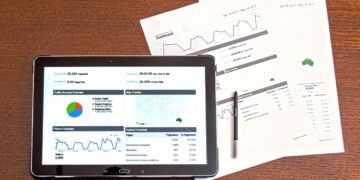
You can choose from numerous tools to help monitor your expenses—from traditional pen and paper to sophisticated financial apps. Select a method that you find sustainable and easy to use consistently. Here are a few methods:
- Spending Apps: Apps like Mint or You Need a Budget (YNAB) can link to your bank accounts and categorize your expenses automatically.
- Excel Spreadsheets: If you prefer a more hands-on approach, creating a custom Excel sheet can give you flexibility in how you track your expenses.
- Notebooks: For those who are not tech-savvy, maintaining a dedicated notebook for recording spending can also be effective.
Step 2: Record Your Expenses
Whichever tool you choose, the next step is to diligently record every expense. That coffee you bought on your way to work? Log it. The e-book you purchased online? Log it. These might seem insignificant at first, but they add up. Keeping a precise record will provide you with a clear picture of your spending patterns.
Step 3: Categorize Your Expenses
Divide your expenses into categories like groceries, dining out, utilities, entertainment, and transport. This segmentation allows you to identify areas where you might be overspending. Maybe you’re spending more on dining out than you realized, and you can find opportunities to cut back.
Step 4: Analyze and Adjust
At the end of each month, review your spending. Are you consistently overspending in one category? Do you see a pattern in impulse buys? Answer these questions and adjust your budget and behavior accordingly.
Tips for Staying on Track
Set Realistic Budgets
It’s essential to set realistic and achievable budgets for different categories of spending. Unrealistic budgeting can lead to frustration and derail your financial plans.
Use Alerts and Reminders
Many banking apps and budgeting tools offer alert settings for when you approach or exceed your budget limits. These can be handy in keeping you aware and preventing overspending.
Regularly Review Your Financial Goals
Your financial situation and goals may evolve over time. Regularly update your goals and review your budgets to reflect your current needs and resources, ensuring your spending aligns with your objectives.
Common Questions About Tracking Spending
Is it necessary to track every penny?
While you don’t have to track every single penny, getting into the habit of noting down detailed expenses helps you understand your financial habits better. However, if this feels overwhelming, start with broader categories.
How often should I review my spending?
You should review your spending at least once a month. However, if you’re just starting, or if you’re trying to significantly alter your spending habits, consider reviewing it weekly.
Conclusion
Tracking your spending is a fundamental but powerful step towards achieving financial freedom. It requires consistency, honesty with oneself, and sometimes, tough decisions. However, the clarity it brings to your financial life is very rewarding. Start today and make your way towards a financially secure future!
Remember:
Financial freedom starts with good habits, and tracking your spending is one of the most impactful habits you can develop. Equip yourself with knowledge, use the tools available, and watch as you transform your financial life.